
Interview conducted by Taniya Iqbal
Taniya Iqbal is an MS Psychology student at SZABIST (Shaheed Zulfikar Ali Bhutto Institute of Science and Technology), currently working as a Research Officer at Nojwan. She interviewed psychologist Muhammad Zeshan on April 8, 2026, to explore the transition from academic theory to professional practice in psychology.
Psychology Career in Pakistan is growing as a professional field, but many graduates still struggle to move from academic theory to practical work. A recent interview with psychologist Muhammad Zeshan highlights a core problem: students often leave university with conceptual knowledge but limited readiness for real-world assessment, therapy, reporting, and ethical decision-making.
This gap between study and practice shapes the career journey of many fresh graduates. The interview offers valuable insight into how psychology students can build competence, choose the right specialization, and prepare for responsible professional work.
Interviewee Profile: Muhammad Zeshan
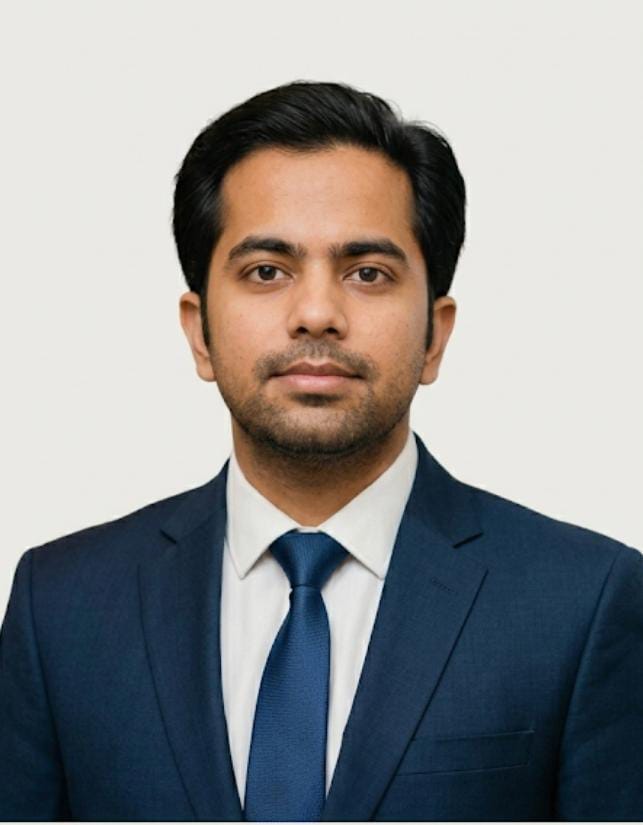
Muhammad Zeshan holds an MPhil in Psychology with training in clinical and forensic psychology. He has worked in correctional settings (including Borstal Jail BWP) and community mental health through NGOs, focusing on juvenile offenders, at-risk youth, psychological assessment, psychotherapy, rehabilitation, and reintegration. He also serves as an Urdu AI Facilitator, training students and professionals in AI applications for education and mental health. Zeshan founded a LinkedIn community (nearly 10k members) to share real-world challenges and career guidance for psychology graduates.
Why Psychology Graduates Struggle After University
One of the strongest themes in the interview is that psychology graduates often know definitions but not decisions. According to the interviewee, many can explain disorders in theory but struggle to conduct intake interviews, make judgments, or work through real cases under supervision.
This creates what can be called an academic-professional transition gap, where students are qualified on paper but not yet ready for the responsibilities of applied psychology. In mental health settings, that gap can affect both confidence and client safety.
Scope of Psychology in Pakistan
The interview suggests that the field of psychology in Pakistan is broader than many students assume. Instead of searching only for job titles labeled “psychologist,” graduates should look at service areas where behavioral expertise is needed.
Growth areas mentioned in the interview include:
- Schools and special education.
- NGOs and psychosocial support programs.
- Rehabilitation and correctional settings.
- HR and employee wellbeing roles in corporate environments.
- Tele-mental health and digital service platforms.
The interview also notes that some international organizations and INGOs hire psychology-related professionals when candidates have strong practical skills and relevant experience.
Key Challenges for Fresh Graduates
The interview identifies several recurring challenges faced by psychology students after graduation. These do not start with unemployment alone; they begin with professional unreadiness.
Common problems include:
- Skill shock when real clients differ from textbook case studies.
- Ethical uncertainty in decision-making.
- Fear of responsibility and incorrect judgment.
- Imposter syndrome or overconfidence.
This distinction matters because psychology is not only about knowledge. It is also about structured, ethical, and evidence-based action in real settings.
How to Choose the Right Career Track
A notable insight from the interview is that interest alone is not enough to choose a specialization. The interviewee argues that exposure is more reliable than imagination because students often think they like a field before they have actually worked in it.
The recommended approach is to rotate through different settings and observe where one feels most mentally engaged and least drained. This kind of practical exposure helps students make informed decisions about clinical, educational, community, correctional, or organizational pathways
Essential Skills for Professional Growth
The interview emphasizes that communication matters, but it is not enough on its own. Competent psychology practice depends on a set of professional skills that support safe, structured, and ethical work.
The key skills highlighted include:
- Case formulation.
- Risk assessment.
- Structured interviewing.
- Report writing.
- Ethical decision-making.
One of the strongest observations in the interview is that a psychologist may be judged more by the quality of documentation than by conversational ability alone.
Why Supervision Matters
The interview describes supervised client handling as the most important factor in career growth during MS Psychology. Workshops may provide information, but supervision helps students correct mistakes, strengthen judgment, and build real competence over time.
Without feedback, students may repeat weak habits and mistake familiarity for expertise. In psychology, supervision protects both the learner and the client.
How to Gain Experience Without Strong Connections
For students who do not have a strong network, the interview offers a practical alternative: contribute first. Instead of waiting for opportunities, graduates can offer structured support such as psychoeducation, school observation reports, or volunteer case assistance under senior supervision.
This approach turns visibility into credibility. In psychology, useful contribution often builds relationships more effectively than passive networking.
Clinical psychology, step by step
The interview also offers a responsible pathway for students interested in clinical psychology. The progression is simple but powerful: learn the basics, observe, assist, practice under supervision, and only then take on more complex cases.
This sequence protects both the client and the learner. Skipping stages may create the appearance of confidence, but it often produces unsafe practice. Real competence develops gradually.
Ethics and boundaries
The conversation is especially strong on ethics. Fresh graduates are warned not to diagnose without proper assessment, not to promise outcomes, and not to blur the boundary between professionalism and emotional dependency.
These boundaries are not cold or distant. They are what make care trustworthy. A psychologist’s role is to support without overstepping, guide without dominating, and help without becoming personally entangled in every case.
Avoiding burnout
The interview also touches on an important but often overlooked issue: burnout. It is not caused only by difficult clients. It also comes from unclear roles, emotional overextension, and weak boundaries.
Practical protection includes:
- Fixed session limits.
- Confidential case discussion.
- Clear role definition.
- Documentation after sessions.
These habits create stability. They allow psychologists to remain compassionate without becoming professionally drained.
Advice for the next six months
The final advice in the interview is refreshingly direct. For the next six months, psychology students should focus on real practice, structured writing, and depth rather than breadth.
The priorities are:
- Work with real cases under supervision.
- Write authentic case reports.
- Learn one therapeutic approach deeply instead of many superficially.
It is a reminder that growth in psychology comes through repetition, reflection, and responsibility.
FAQs
What is the scope of psychology in Pakistan?
It includes schools, NGOs, rehabilitation, correctional settings, HR, wellbeing, and tele-mental health, especially for those with practical experience.
Why do psychology graduates struggle after university?
Because many are trained in theory but not yet ready for real assessment, case handling, and ethical decision-making.
What skills are most important in psychology?
Case formulation, risk assessment, structured interviewing, report writing, and ethics.
Is supervision important?
Yes. It is one of the strongest predictors of safe and effective early career growth.
Closing note
This interview offers a useful message for psychology students in Pakistan: the profession is open, but it demands maturity. Success comes not from chasing titles, but from becoming a responsible and capable practitioner.
Psychology, at its best, is not just a degree. It is a disciplined way of helping people well.

Taniya Iqbal
Taniya Iqbal is an MS Psychology student at SZABIST, passionate about writing and counselling, helping others understand human behavior, and communicating psychological insights clearly and meaningfully.